
Simple Steps
By Beth Yarbrough

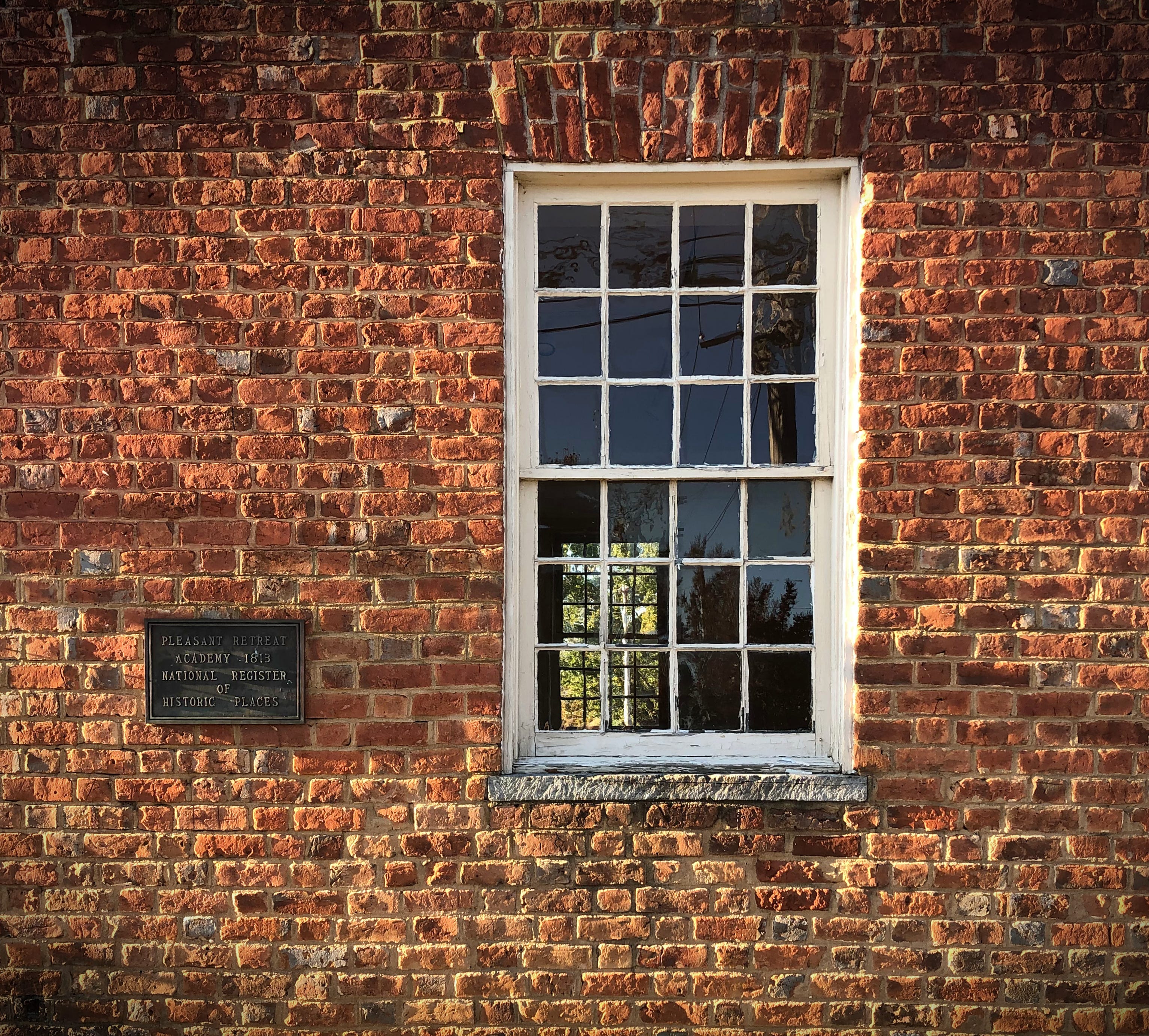
Historic preservation does not have to be complicated, yet that is the tendency of many. The assumption is that the process is way above most pay grades, involves materials and procedures known only within the murky world of preservation professionals, is fraught with all kinds of extra red tape bearing scary terms such as “restrictions”, “nomination forms”, “landmark designations”, and on and on.
The truth, however, is that preservation can happen in very small incremental steps, each one of which can make a significant difference. It all boils down to choices.
For instance, if your early 20th-century house has windows that need repair, you can let the replacement window guy come in and rip out those originals (“and while we’re at it, might as well do the whole house…”) - or - you can ask around and see if there is someone nearby who is qualified to simply repair or rebuild the ones that have already lasted for 125 years. They were built with the capacity to be repaired, you know, so why not let them keep being what they were meant to be? This is a small step, but it matters.
Need a new roof? Take a moment and think about what would have been available when your 1850’s farmhouse was built. Were they making standing-seam metal roofing in “swimming pool blue” back then? If not, don’t go there. Just use your head to make a more intentional decision that helps retain the visual character of your house.
What about paint? Historic colors don’t have to be boring. In fact, go to the paint store and ask for their historic color collection. All of the national brands have historic collections with illustrations showing how they can be combined in a room or on an exterior. It may help you stay away from guesswork that could ruin the look of your trim, your walls, or the outside of your home. Take your time and do a bit of homework first.
I recently ran across this chart depicting the major architectural styles of American houses, and it’s a great place to start when trying to get a handle on how your own home is supposed to look, or would have looked when built.
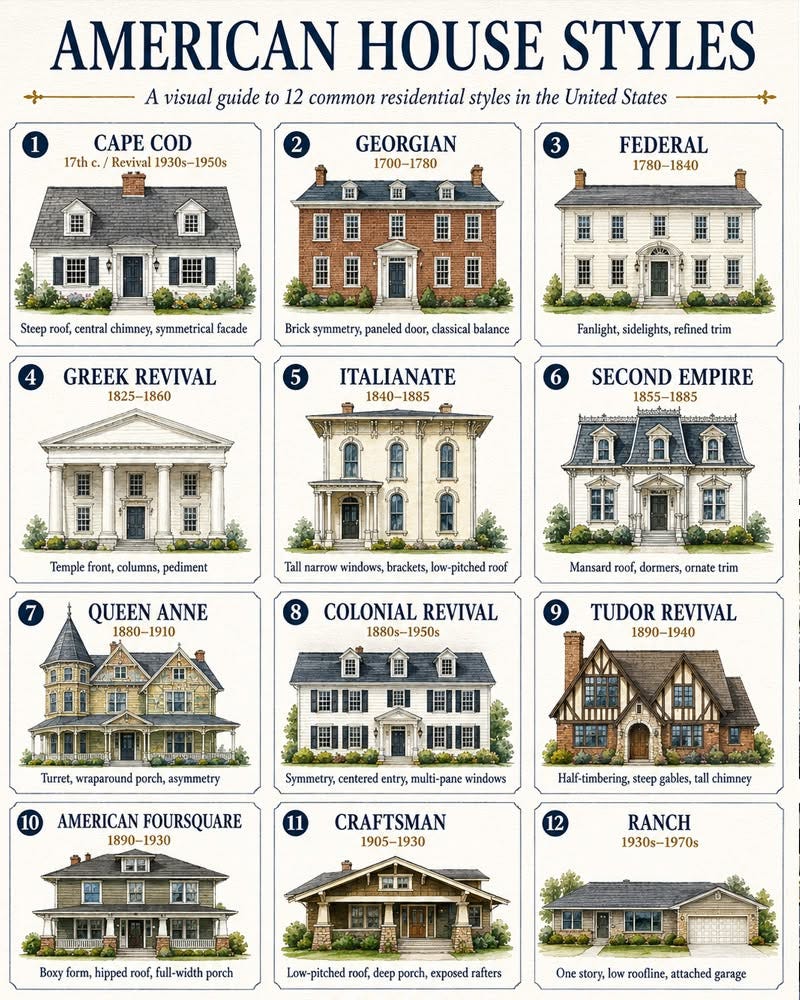
And, by the way, look at the date on number 12 - 1930’s to 1970’s. Mid-century-modern houses are now considered historic! All the more reason to learn a few basics. The idea is that even if you never intend a full facelift of a historic home, the sum of a few small simple steps, if taken wisely, can still result in preserving the character of what you have.


Wonderfully expressed guidance! ❤️