
Full Circle
By Beth Yarbrough

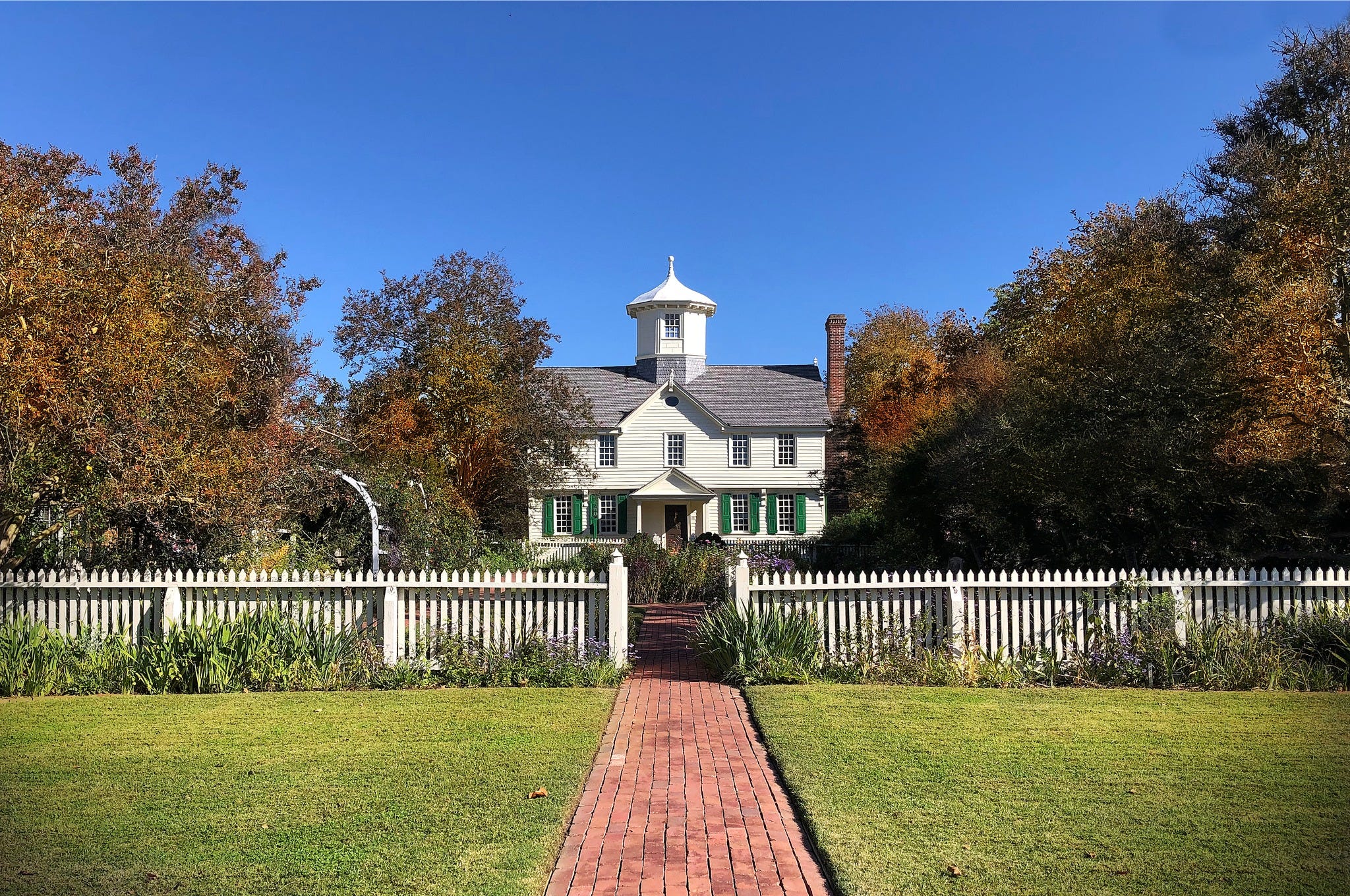
Do you love a happy ending? Of course you do. And this is one for the record books.
In 1918, local Edenton residents became alarmed over the sale to the Brooklyn Museum of very important historic woodwork from Cupola House, circa 1756-1760. The sale caused such a stir that the citizens of Edenton decided to band together and form the Cupola House Association to ensure that nothing else of importance would slip through the town’s fingers.
The formation of that non-profit marks the birth of the modern preservation movement in the state, a movement that is still alive and well today. In fact, when it comes to preservation efforts, the people of Edenton, NC came to play and aim to win.
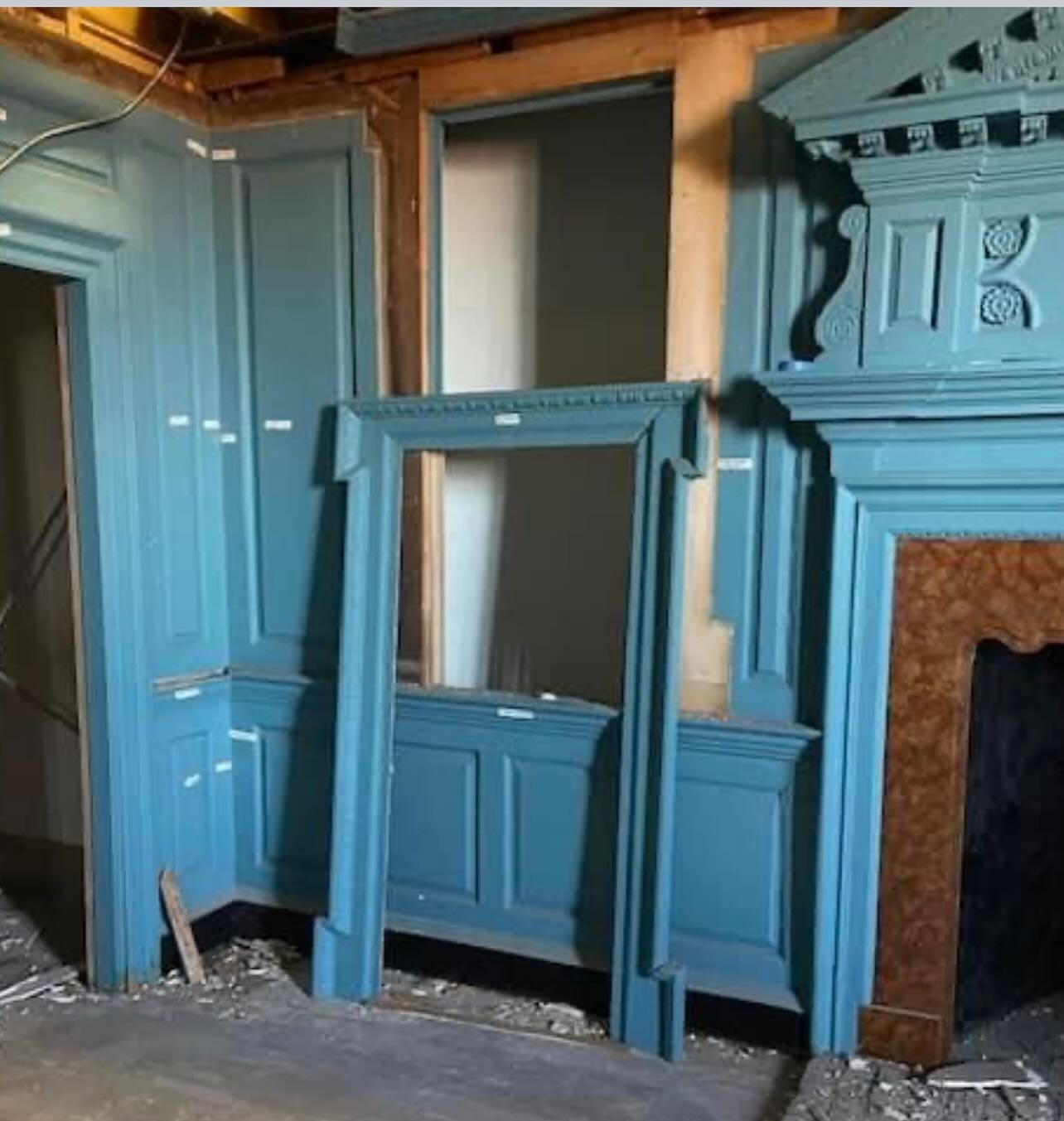
Following the sale of the Cupola House woodwork, faithful reproductions were installed in the house, which was opened to the public and has been a mainstay of Edenton’s historic attractions ever since. And across the years, hope remained that someday the originals would be reacquired from the museum and returned home where they belonged.
In an exciting turn of events, that hope was realized in 2024. The Brooklyn Museum reached an agreement with Cupola House to return the original interiors to their rightful place after having been in exile for 106 years.
Thus began the process of removal from the museum, packaging for transport back to North Carolina, and reinstallation at Cupola House. Team members Andrew Ownbey, Wade Rogers, and others from Edenton traveled to New York and connected with renowned architectural historian, Ralph Harvard, and his wife, Clifford, to oversee the transition. The Harvards were involved not only with the removal in Brooklyn, but agreed – much to the delight of everyone in Edenton – to assist with the homecoming as well.
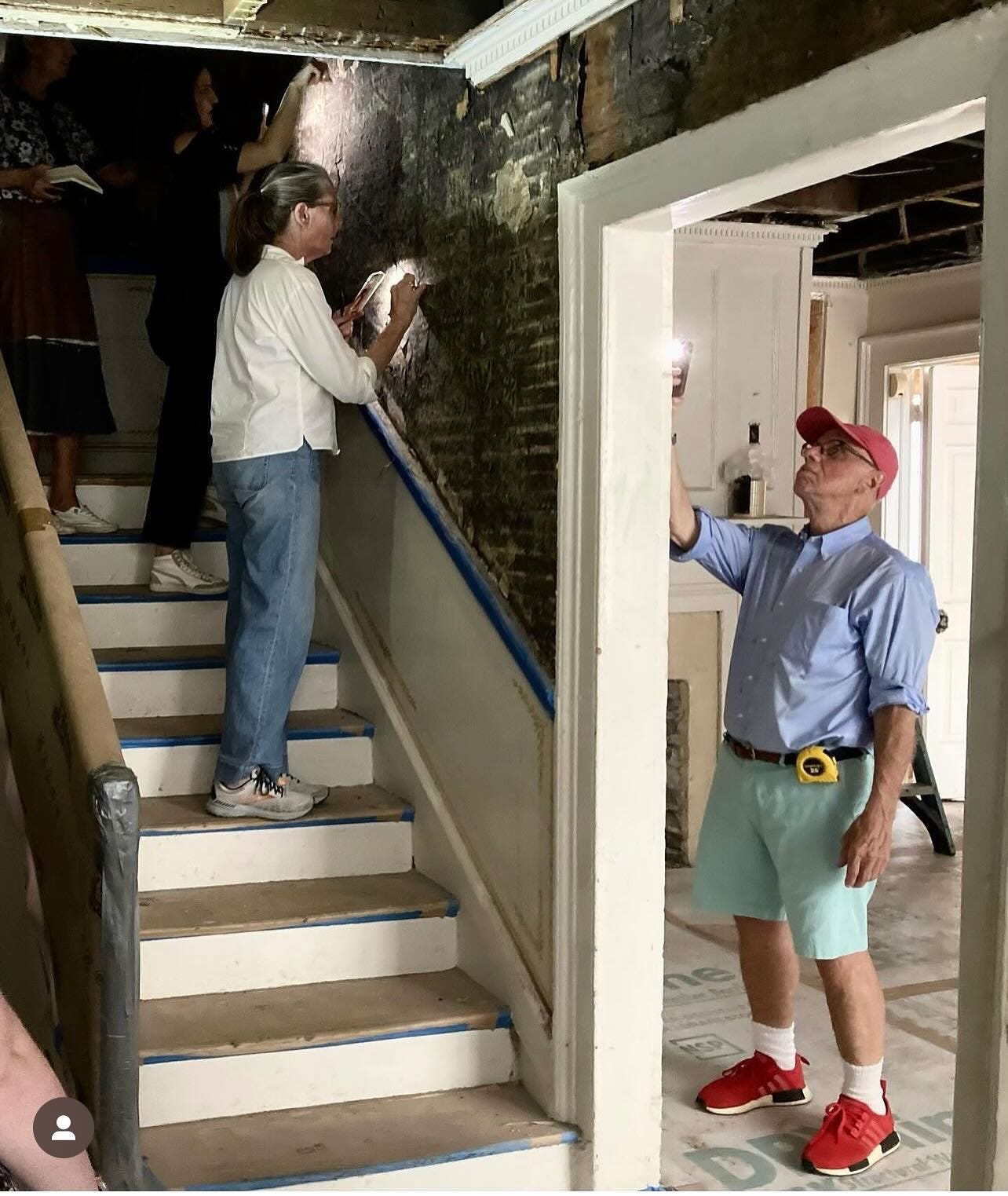
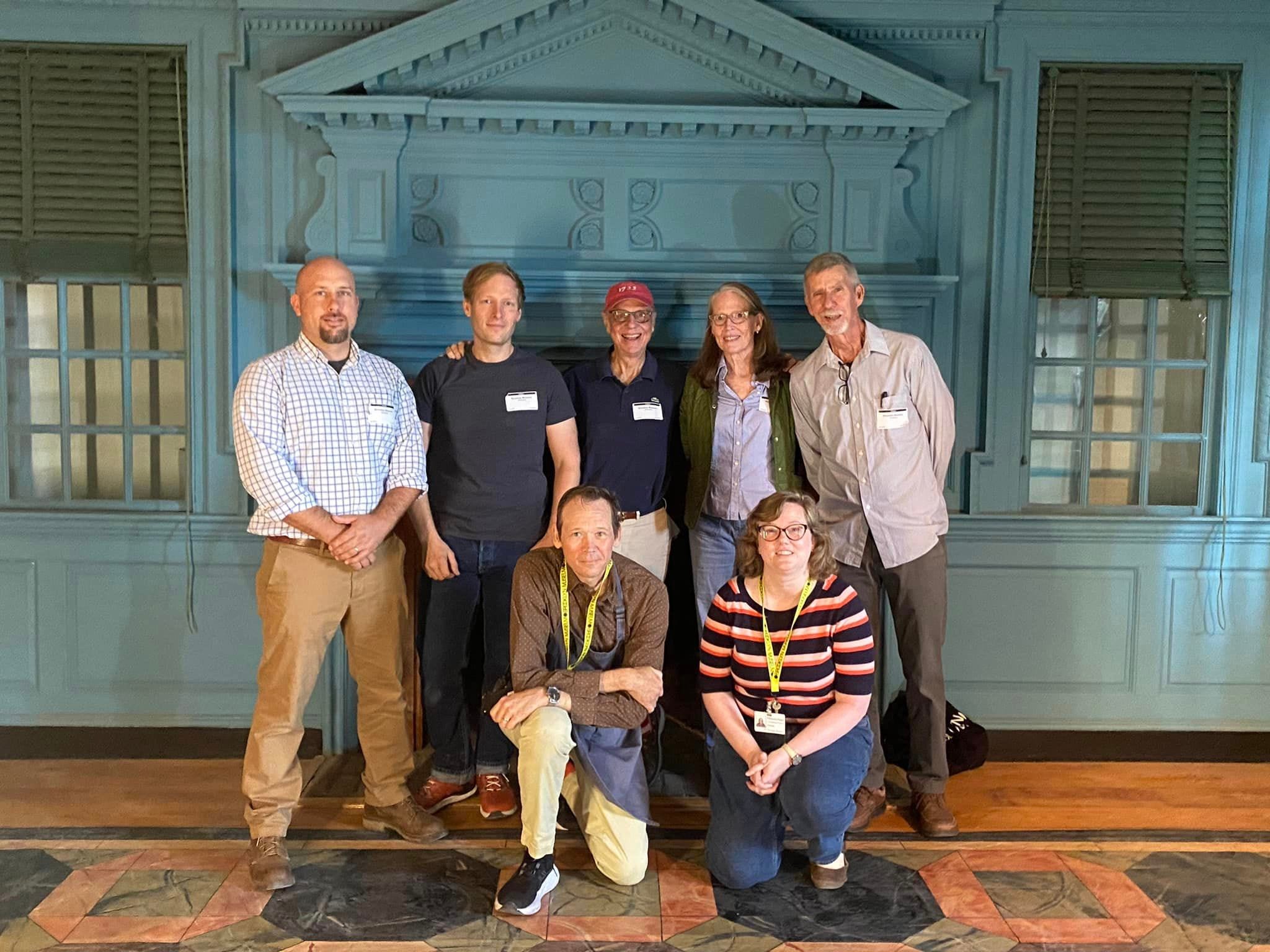
On a visit to Edenton earlier this month, I am happy to report that the journey of the Cupola House woodwork has now come full circle.
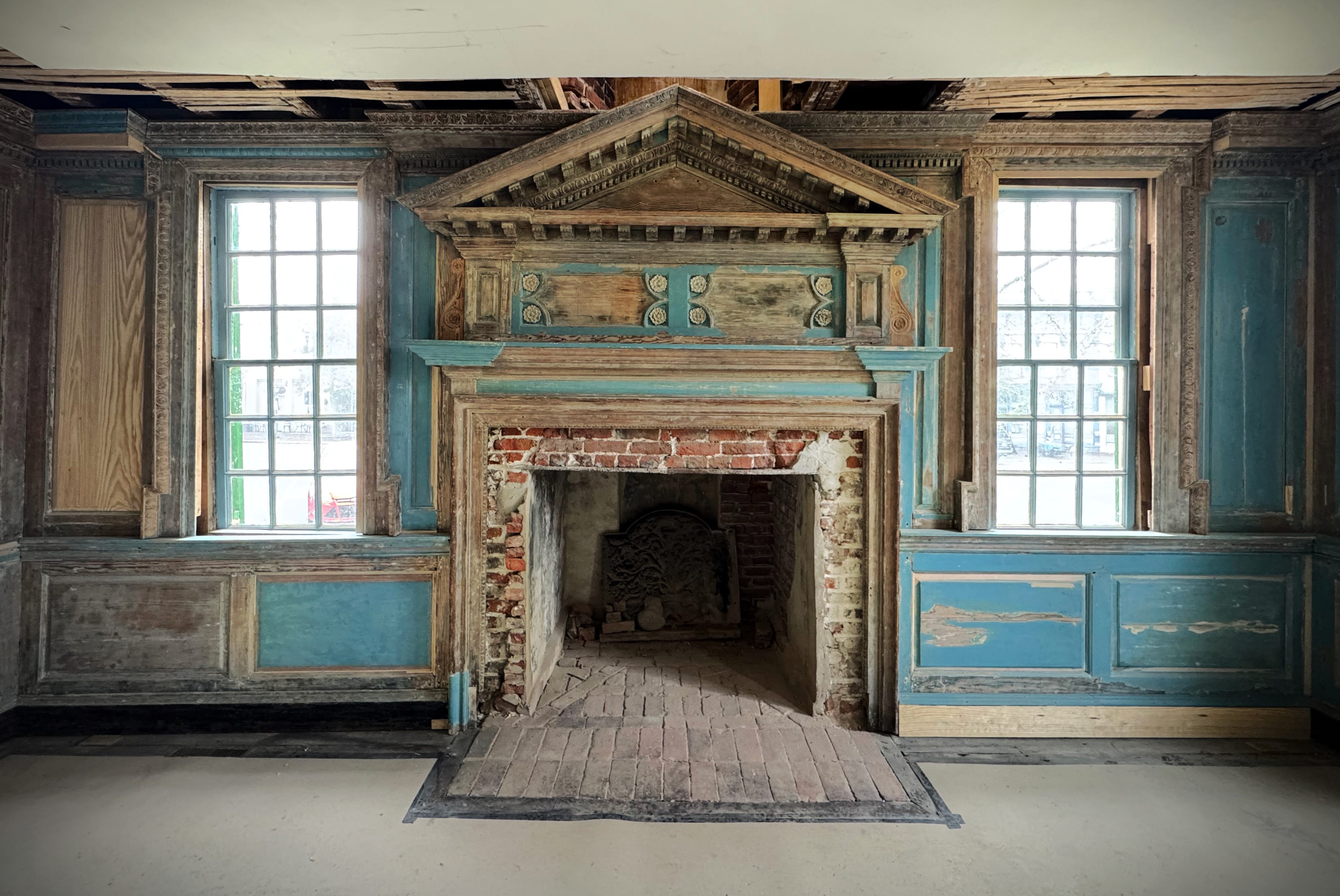
I was an honored guest of the Cupola House Association for a book talk and book signing for The Grassroots Guide to Saving What Matters, in the process of which I was given a private tour by head docent, Jonathan Tobias, of the reinstallation - work that had only been completed a few days prior.
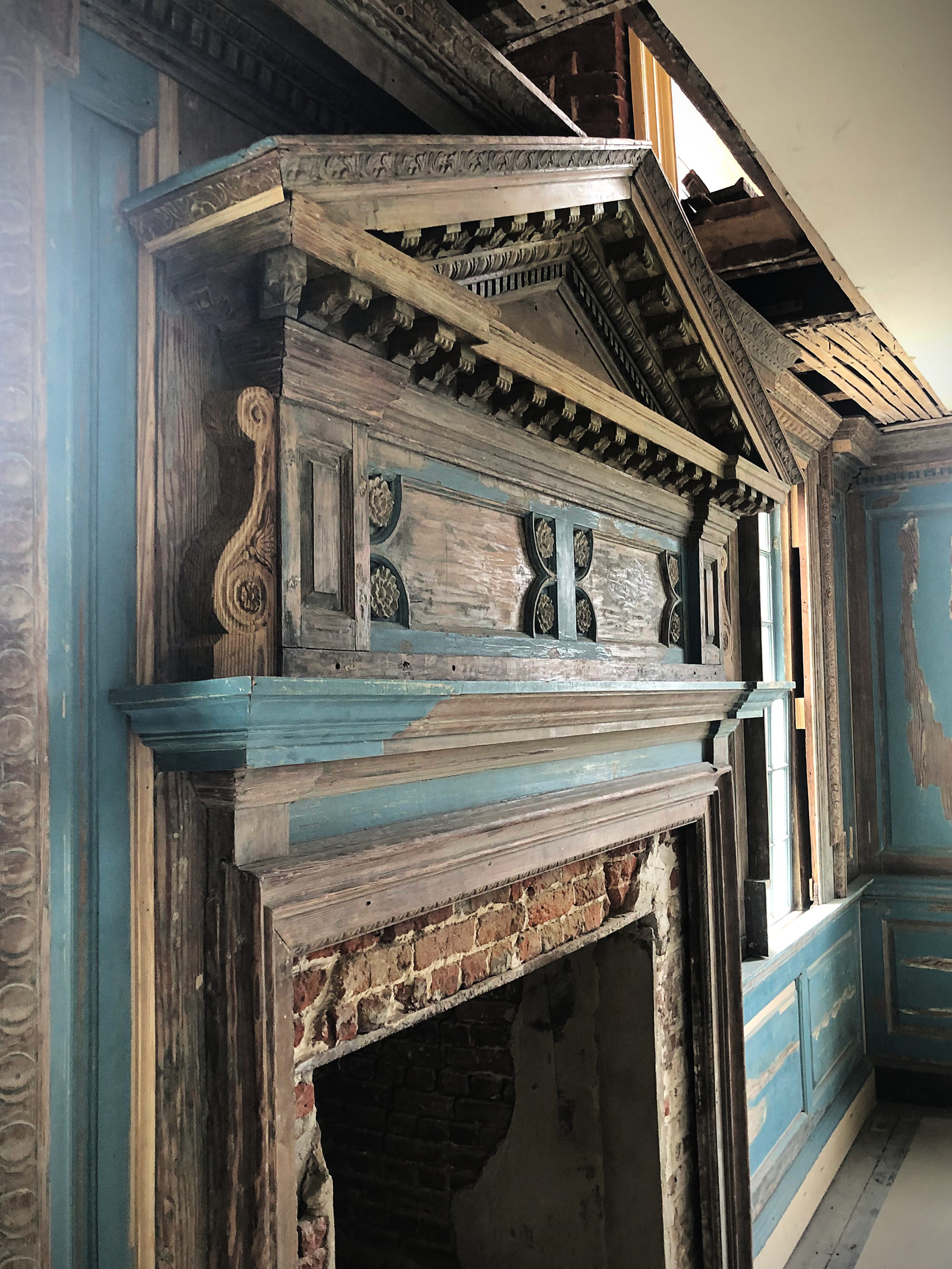
To say that I was unprepared for the effect that this remarkable work had on me would be a great understatement. When I walked into the first room, I was moved to tears, and for the rest of the tour, the urge returned more than once.
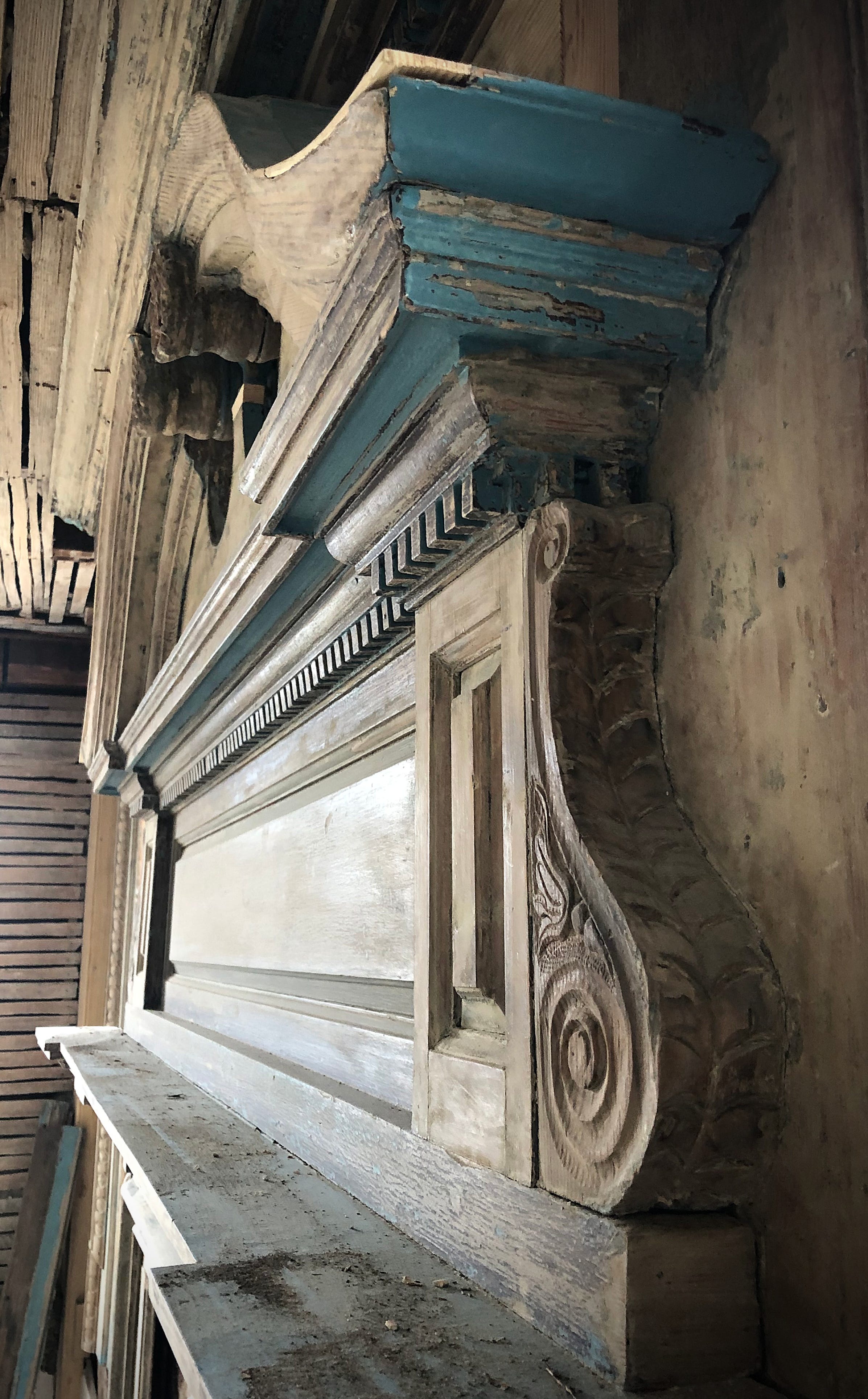
Layers of paint having been removed for the purposes of understanding what colors were there in the beginning, but more importantly, to bring the full import and depth of the carving into sharp focus, it was impossible to miss of the level of extraordinary talent that was brought to bear in the construction of this house.
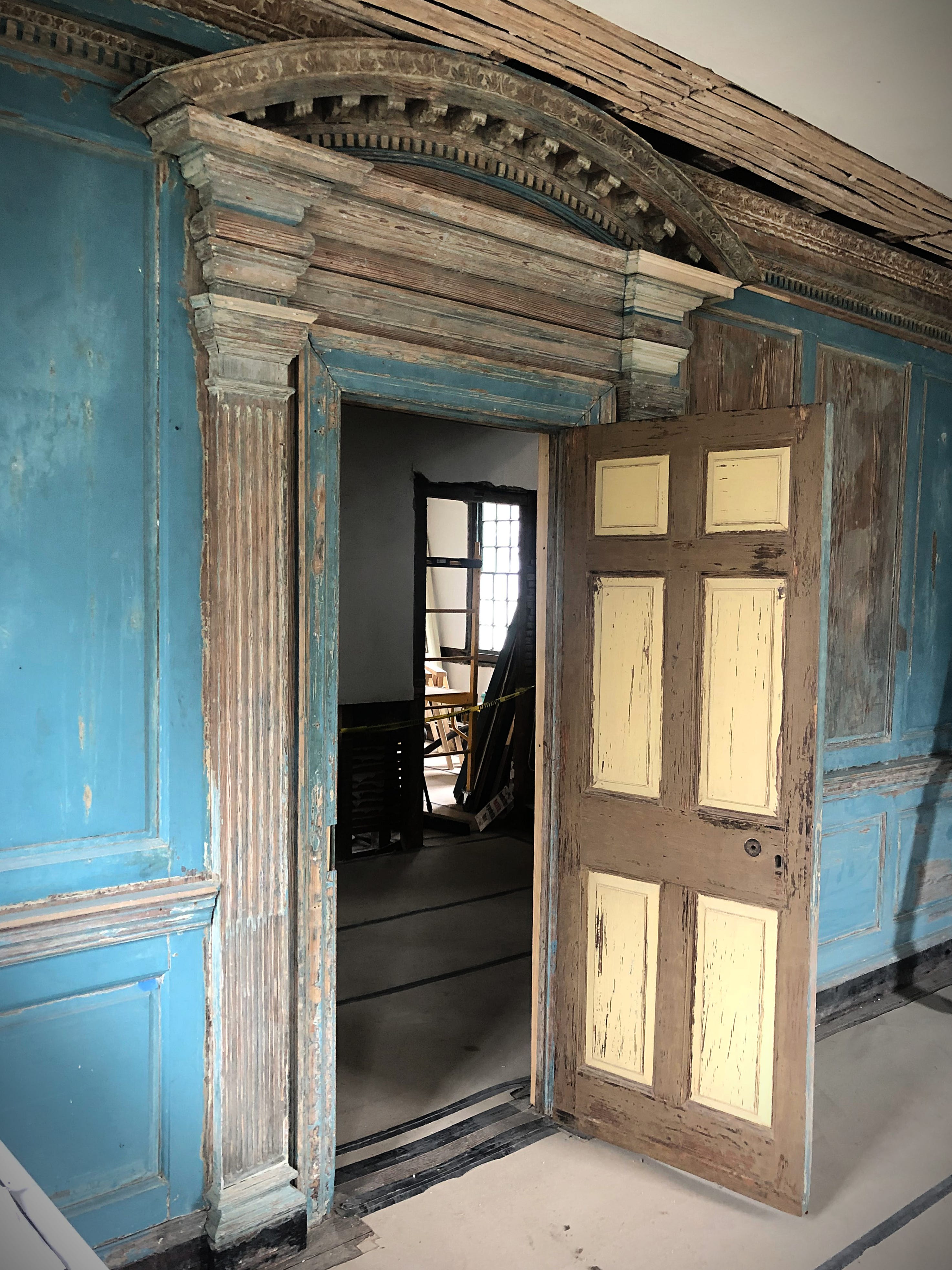
What is more, standing in the presence of this with the realization that the work itself had been in exile for more than a century and only recently returned made the experience even more moving.
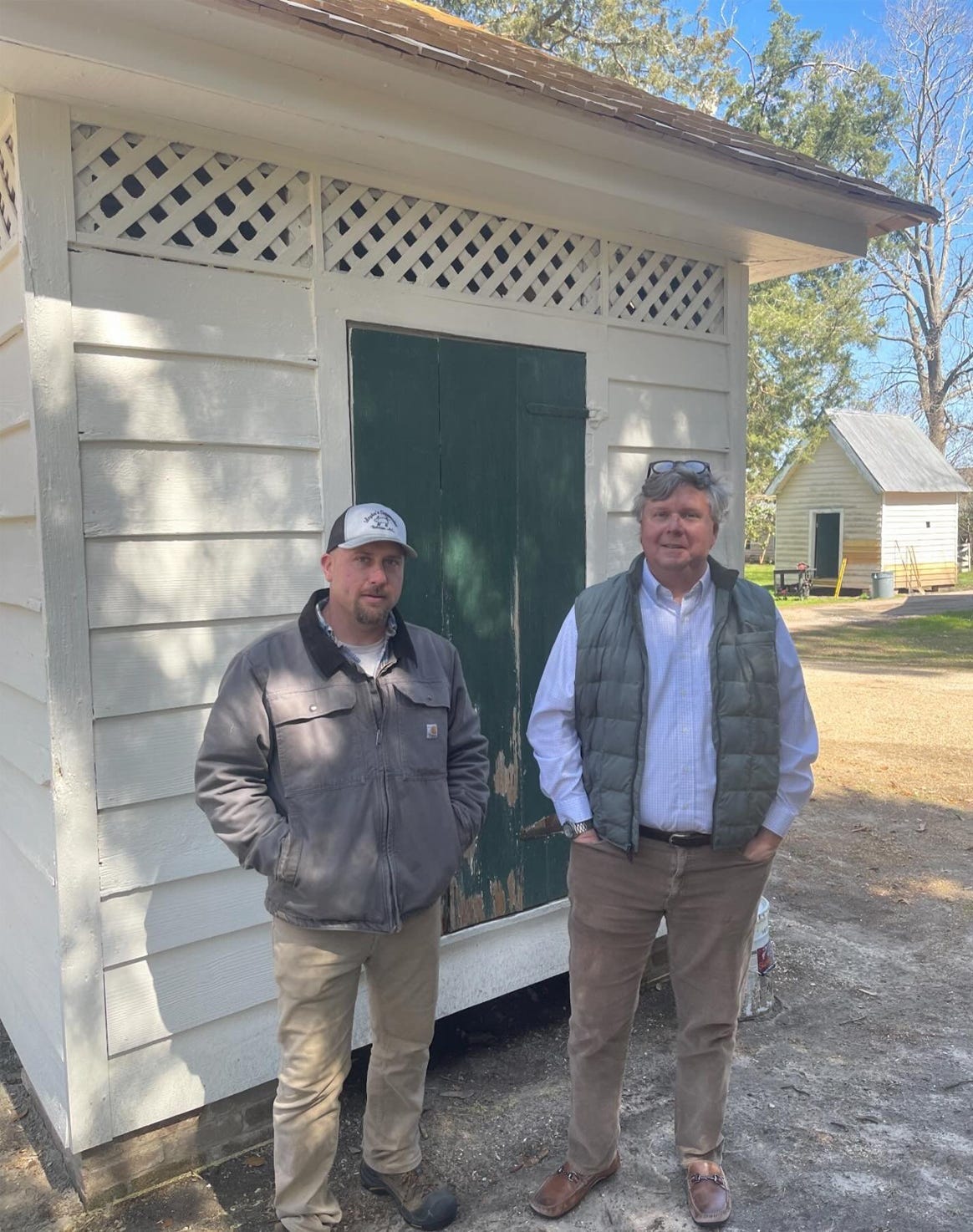
In addition to my friend, Sam Dixon, whose enthusiasm for and dedication to the cause of preservation in Edenton is monumental and has made a pivotal difference in the community, there are two men whose excitement for what is unfolding here is absolutely contagious.
To say that lead restoration expert Andrew Ownbey and Robert Leath, who is Executive Director of the Edenton Historical Commission and the Elizabeth Vann Moore Foundation and consultant to the Cupola House, are two kids on Christmas morning would not come close to an adequate description. And who can blame them? They, along with many others, are living participants in a remarkable story that is nothing short of a modern preservation miracle.
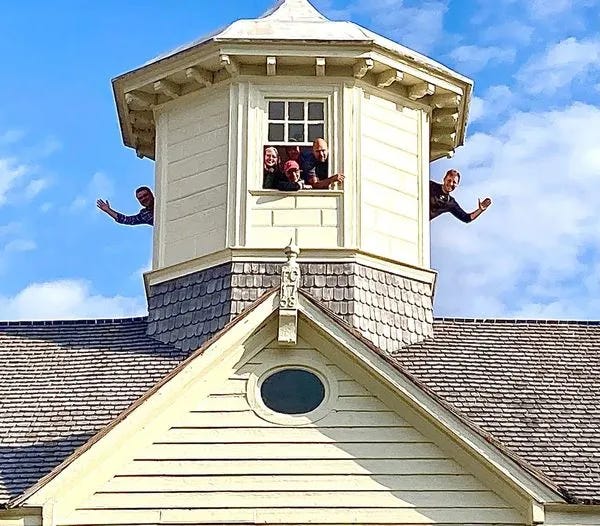
Perhaps you view the confluence of events in Edenton over the past year as mere coincidence, but I take a different view. In my humble opinion, this is the result of more than a century of very hard work and incredible dedication to the cause of preservation by a community whose focus and determination has never wavered.
Stay tuned for future posts, as it is my continuing honor to report on the progress in this remarkable, historic North Carolina town.
Everything in that house was built by hand, for the most part. Imagine the labor it took! Andrew is as humble as he is talented.
.Thank you for sharing about these houses....In Oklahoma, our state and homes are so young (statehood 1907) compared to the houses you visit and show the efforts to save. Amazing the workmanship with simple hand tools.