
A Remarkable Collection
True Towns Series by Beth Yarbrough

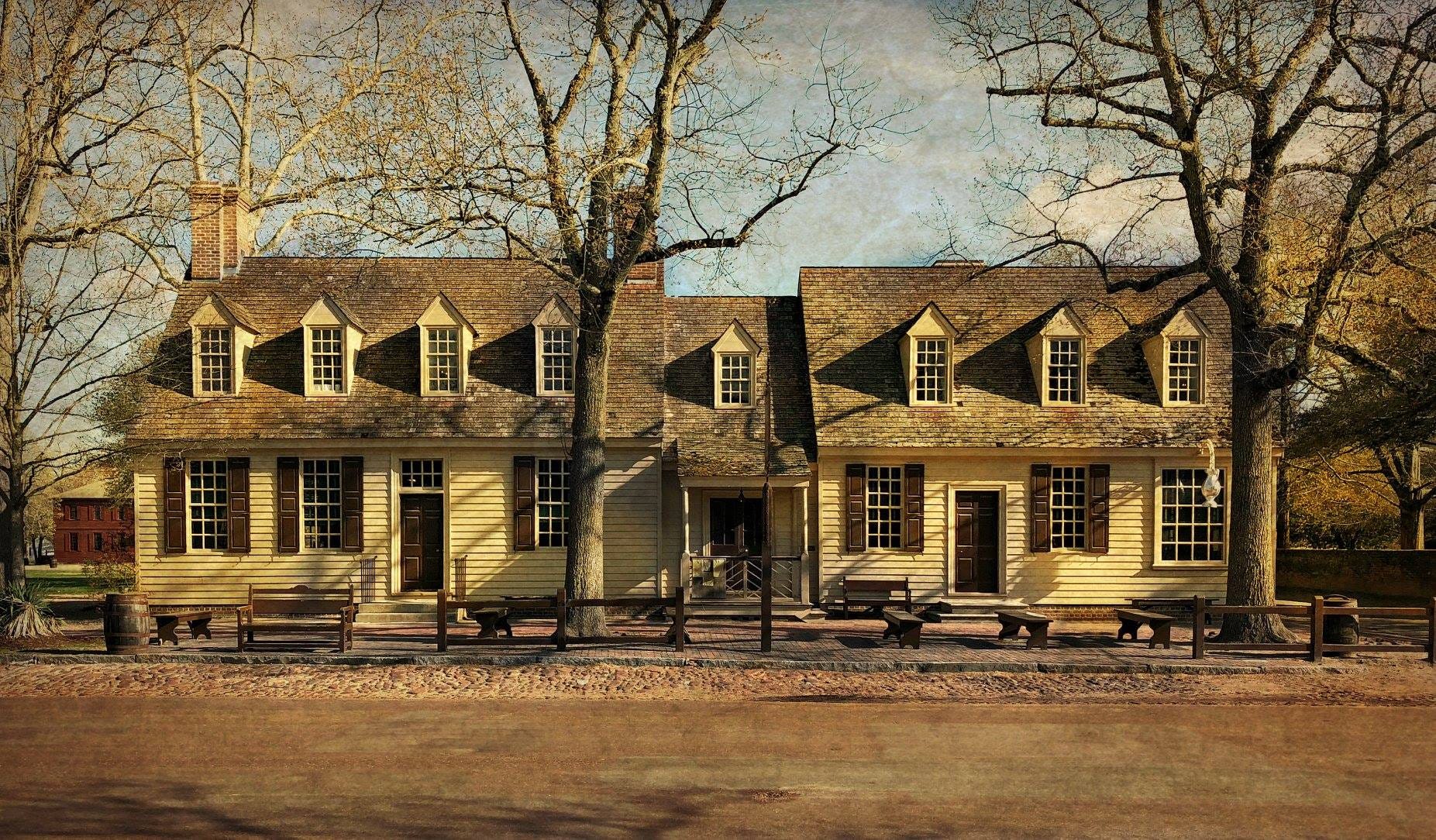
A post last year on my Facebook page featured the famed Chowning’s Tavern in Colonial Williamsburg, Virginia, which prompted the following comment from a reader:
“…honestly, no preservationist really applauds Williamsburg - I mean it’s there, but it exists in a faux bad carnival setting . Its (sic) reductive.”
As I read through the avalanche of opposing views that soon followed in the comments, I was reminded that a solitary walk in 1926 was the beginning of what we enjoy today. Dr. William A.R Goodwin, rector of Bruton Parish Church, had been singlehandedly trying for years to interest a benefactor in saving Williamsburg. He had begged Henry Ford to no avail, when, several years later, he broached the subject with John D. Rockefeller, Jr. During a subsequent visit, Rockefeller asked to be left alone so that he could walk the streets and absorb what the town had to offer. At the end of that walk, Rockefeller basically said “Sign me up”.
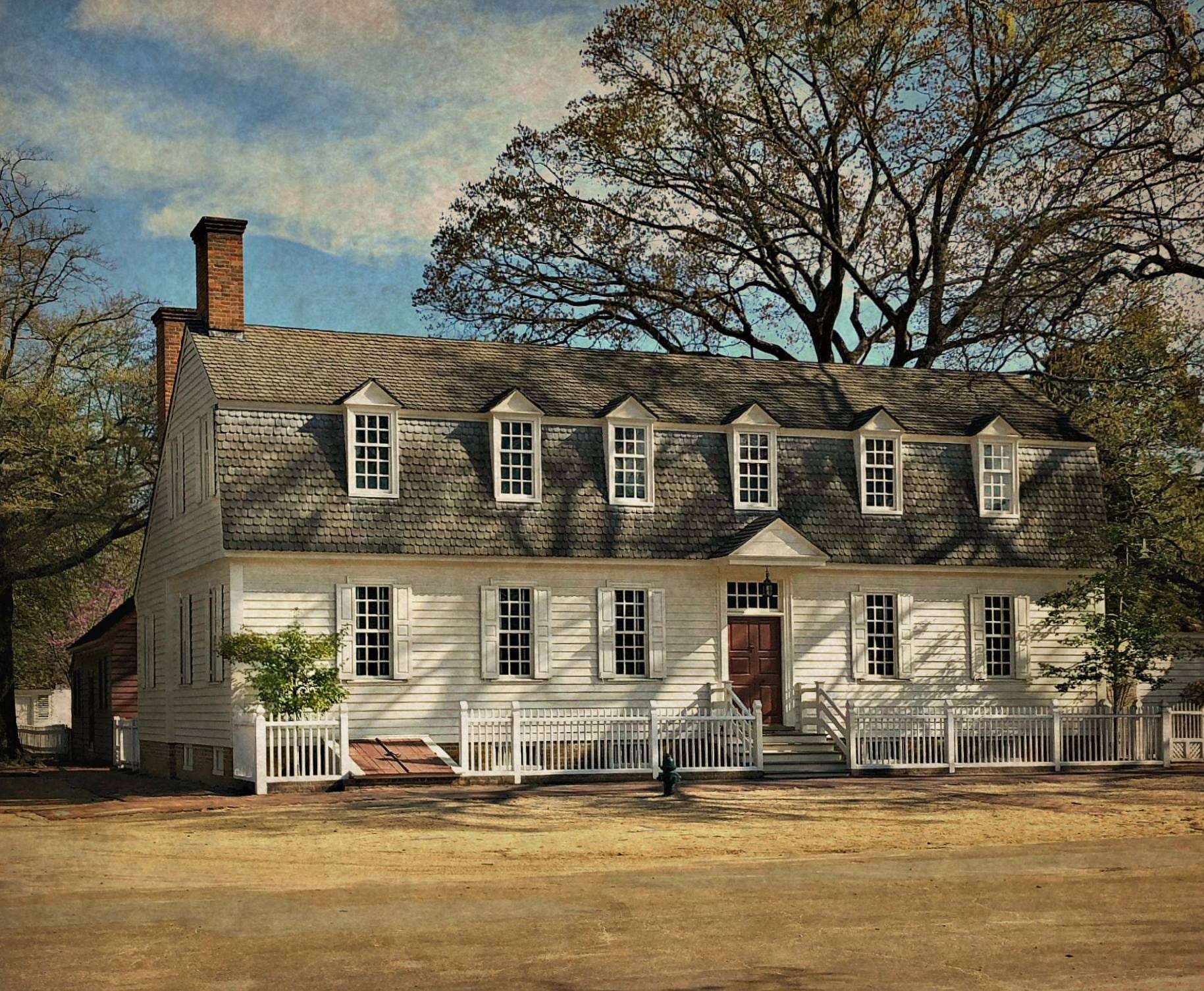
Among the hundreds of structures that today comprise what is known as “Colonial Williamsburg” are 88 original structures that were restored. The remaining residences, shops, public buildings, etc., were the result of an unprecedented effort by researchers, preservationists, architects, historians and craftsmen not only to reproduce but to blend seamlessly with the originals to form a complete picture of what once was.
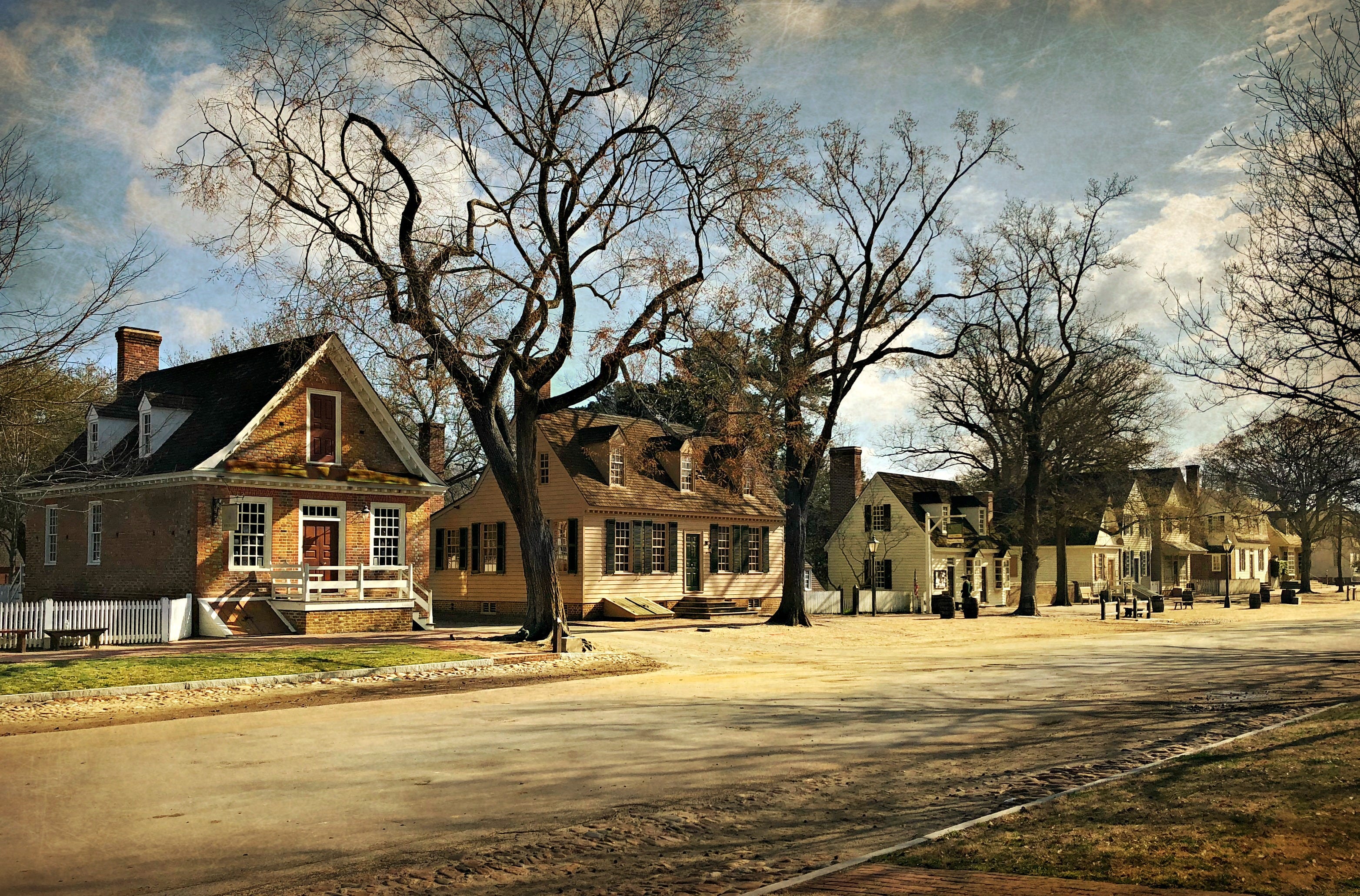
Pondering all of this, and scrolling through my database of Williamsburg photos, I realized something that may have escaped the commenter whose lofty disdain for the place prompted such a strong reaction. I remembered a solitary stroll of my own through Williamsburg. Even though I had visited numerous times during business hours, this occasion was a very early morning when the streets were devoid of visitors. Save for an occasional jogger or dog walker or docent in colonial attire scurrying to their post for the day, I was alone.
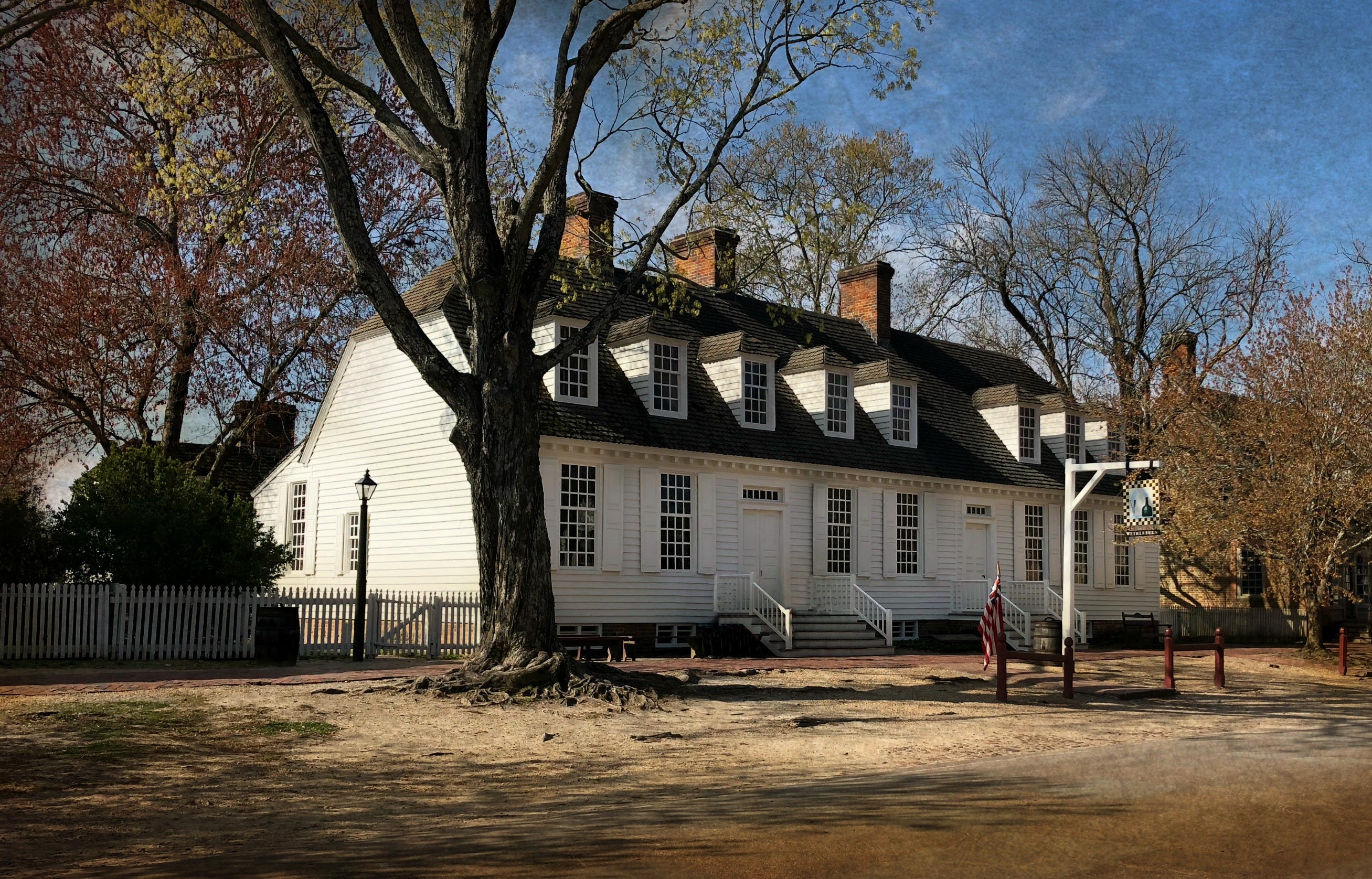
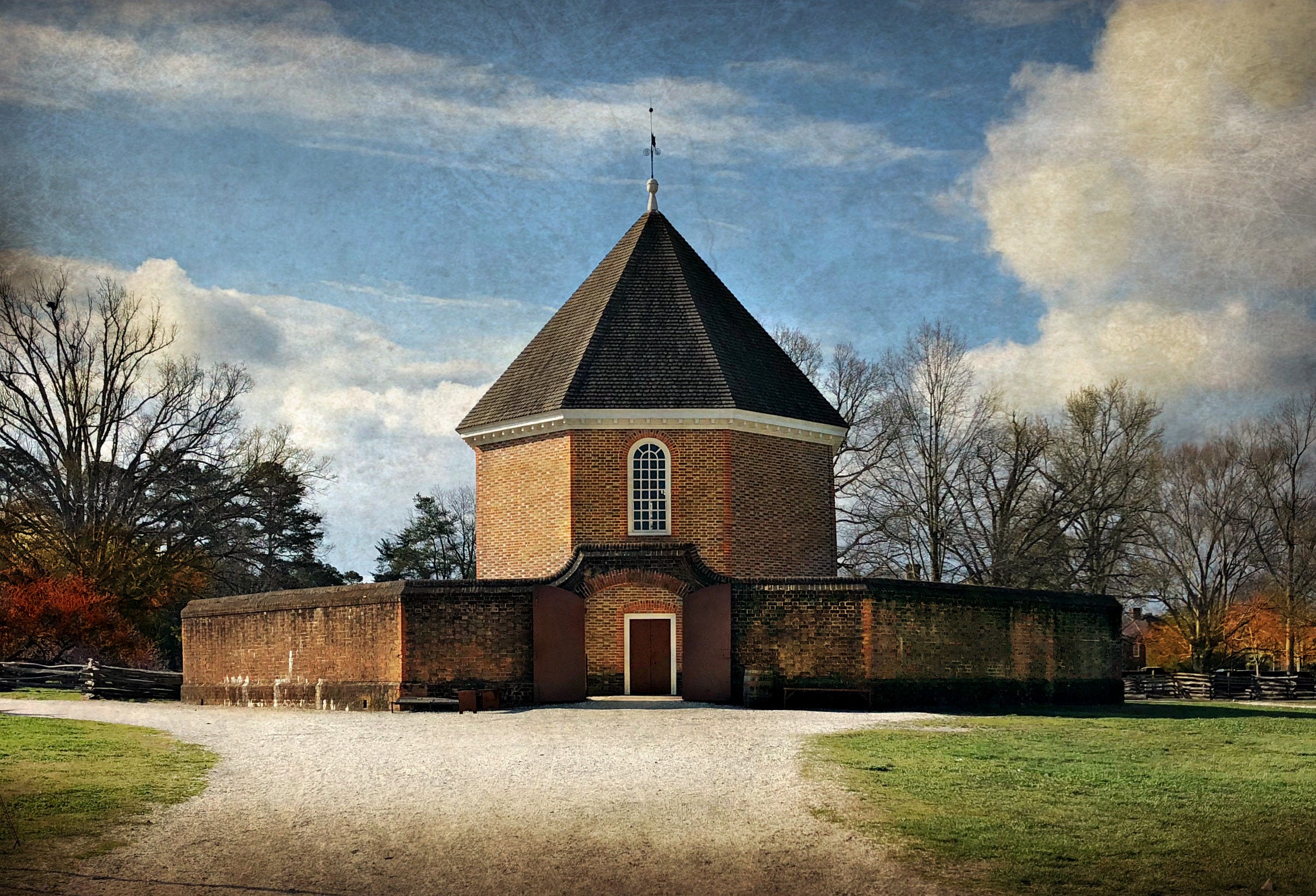
Absent the visual distraction of tourists milling about - aka “faux bad carnival setting”, these streets represent a remarkable collection of Colonial-era architecture. The year in which they were accomplished has very little to do with their beauty or their relevance as examples of design from that period in our history.
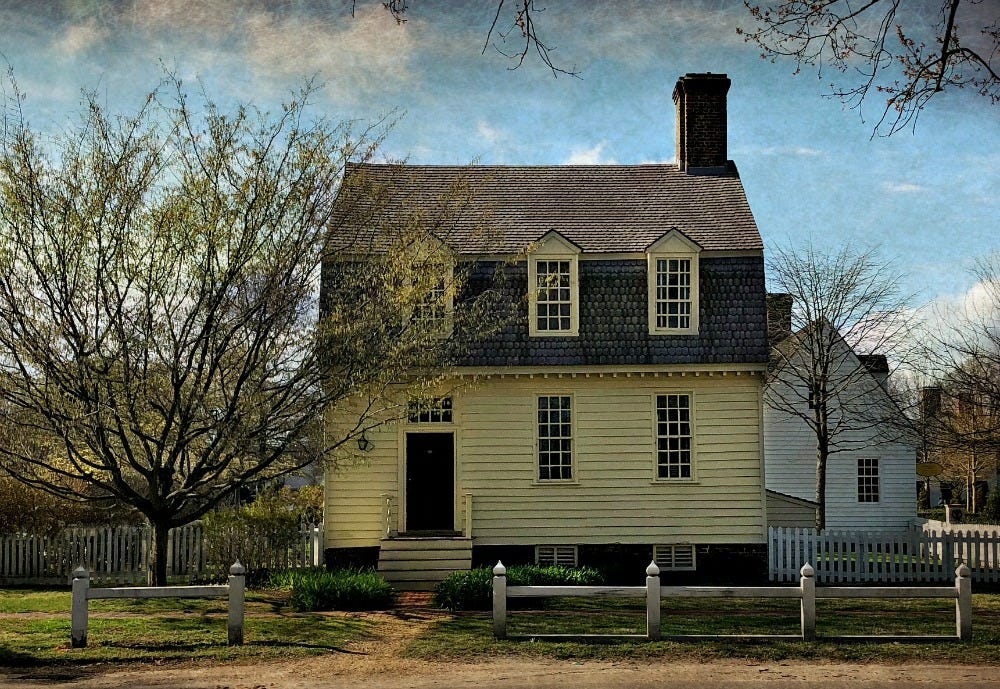
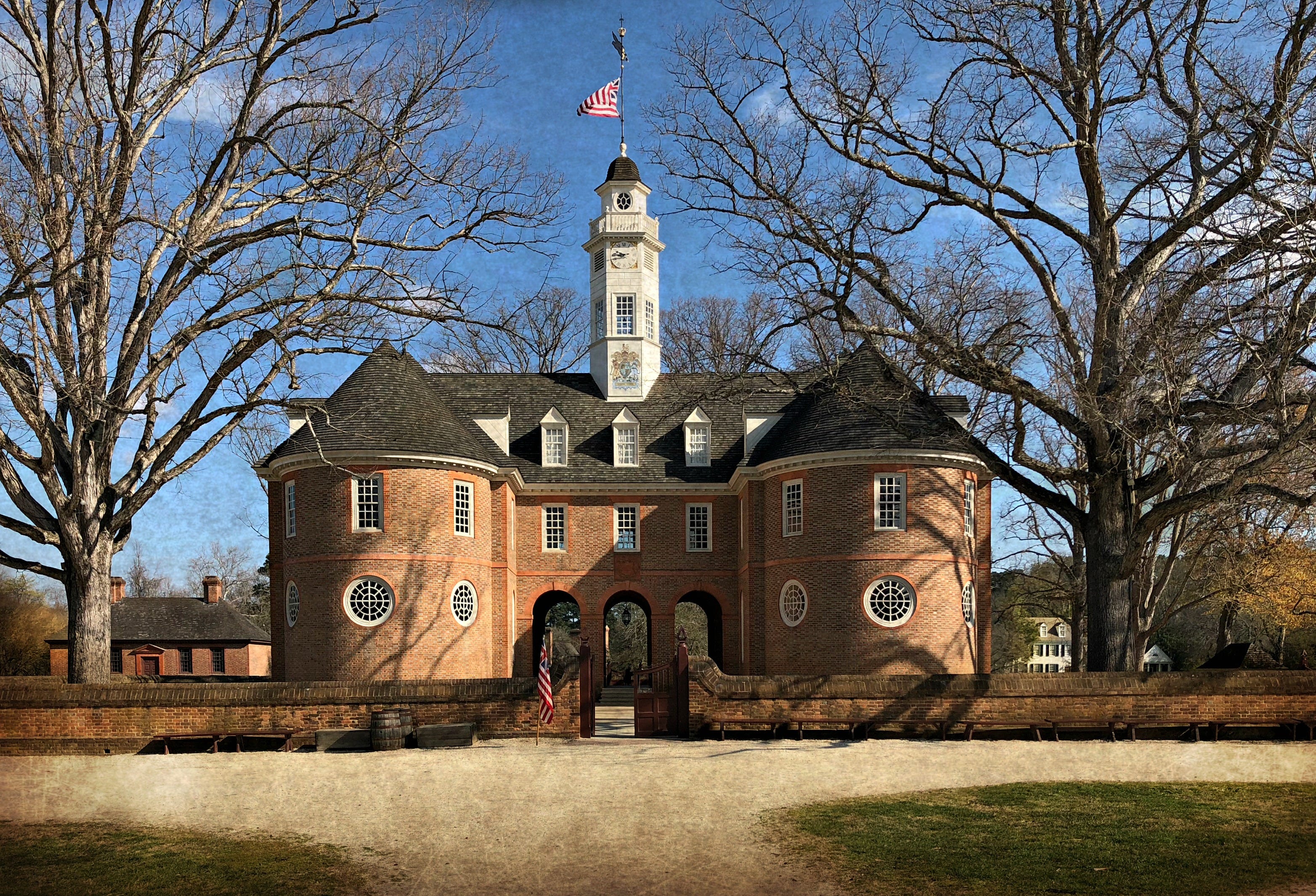
When in Williamsburg, do yourself a favor and go either in the very early morning, or very late afternoon during the season when daylight lingers.
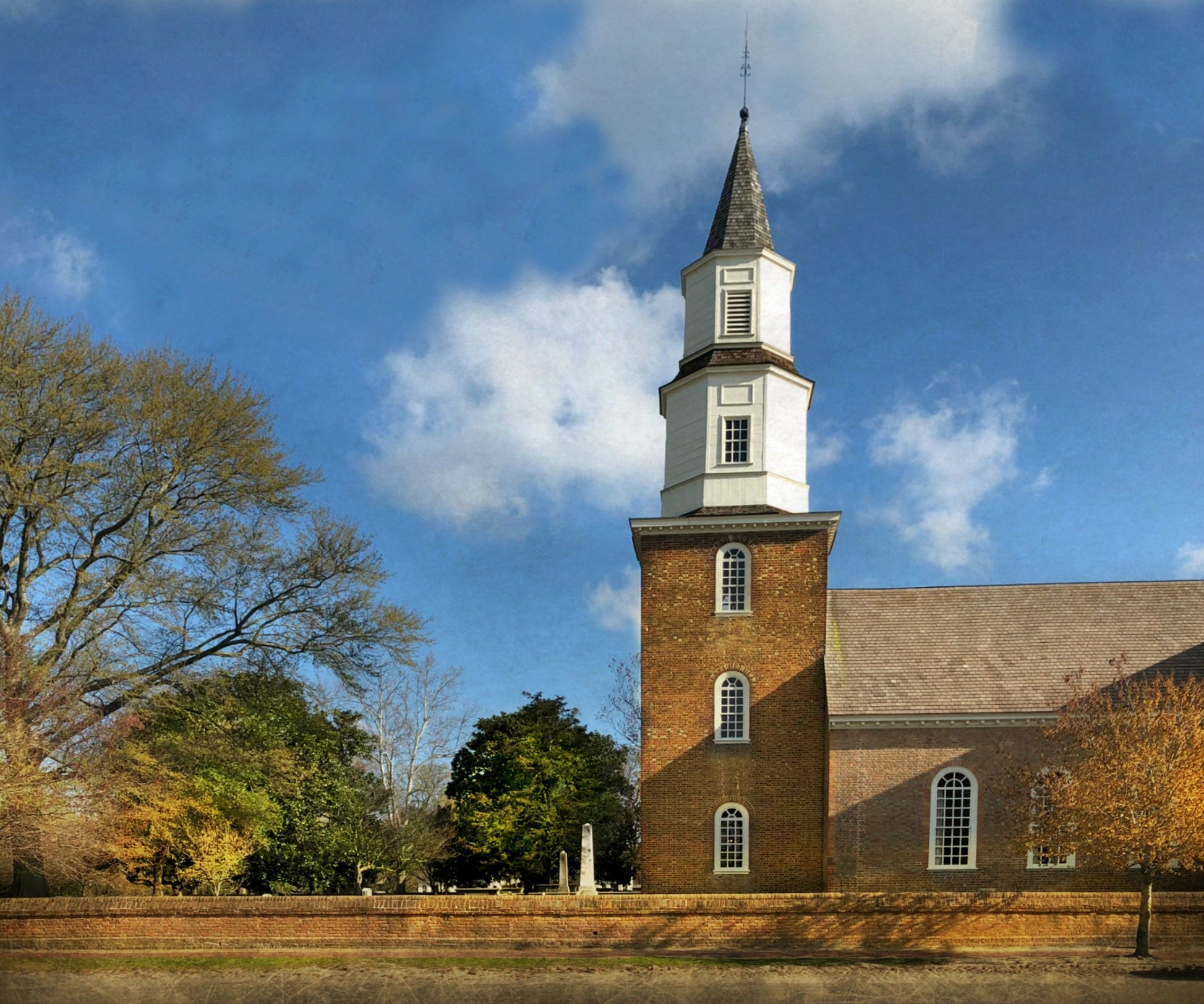
Stroll the length of Duke of Gloucester Street first, and then, as your stamina permits, venture down a few of the cross streets and enjoy the gardens, the dependencies, and the expansive town green that leads to the Governor’s Palace.
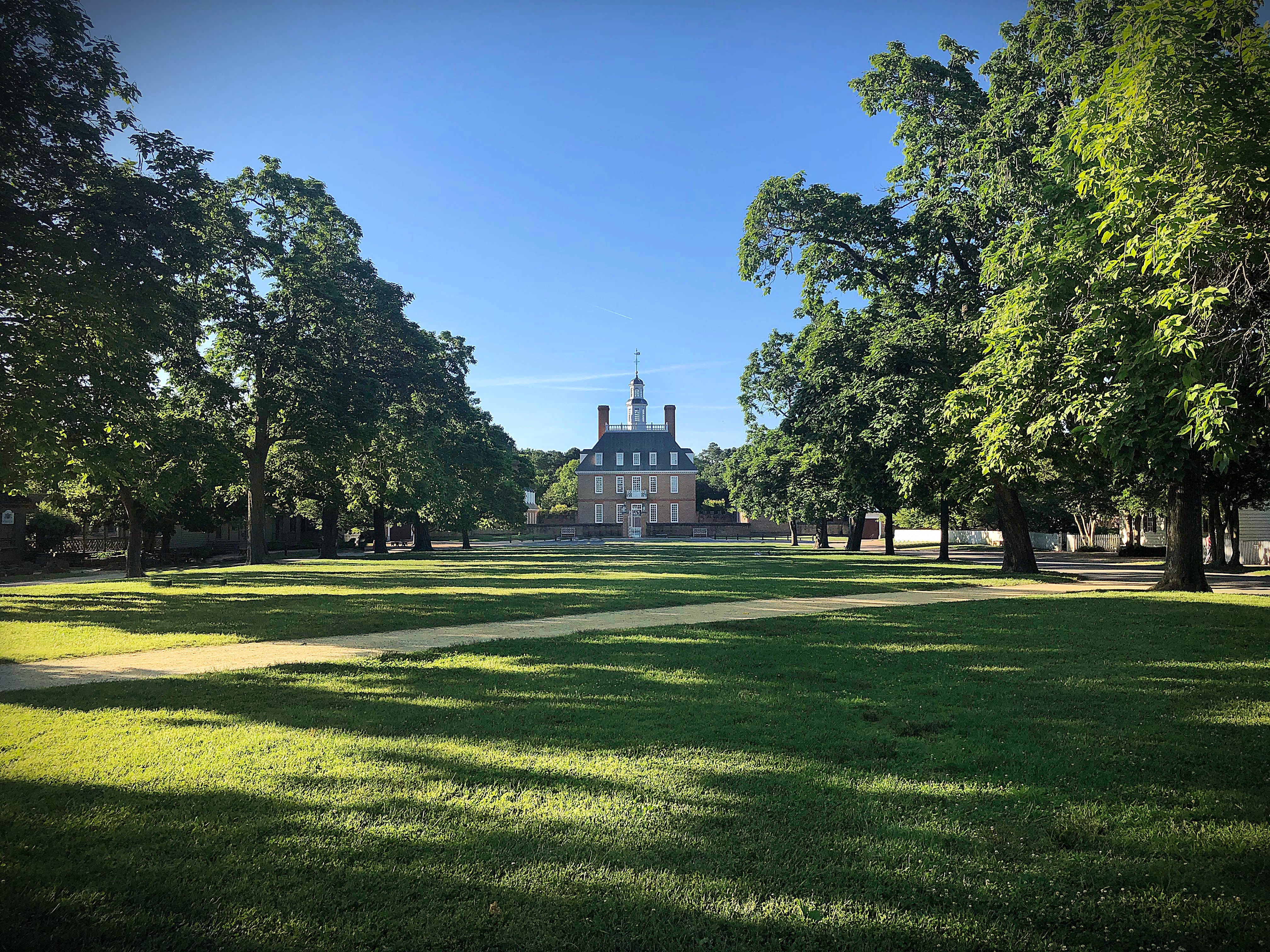
In so doing, you will gain a new appreciation for a place that many do perhaps see as nothing much beyond a tourist attraction. My view is that if places like Williamsburg can inspire curiosity in those who have never encountered this style of architecture, encouraging a desire to learn more, then whether they meet the approval of strict purists is completely irrelevant. From preservationists to historians to armchair enthusiasts, we all owe a great debt of gratitude to all those who saw the vision so many years ago of what Colonial Williamsburg could become.


I am a retired history teacher who spent many years in SC and now lives in NC but grew up in the Shenandoah Valley and on the Northern Neck. My mother’s family is rooted in Virginia. I have been visiting Williamsburg since 1953.
Anyone who criticizes Williamsburg hasn’t much knowledge of its before restoration and after. Yes, there is an effort to draw tourists for financial support, but it is as close to its true spirit as it can be.
I remember reading the "faux bad carnival" remark and thinking how very easy it is to criticize. A certain personality type always defaults to negativity and downing the hard work and passions of the more positive and creative folks. We'll always having the hyper critical among us, but we don't have to pay much attention to them.